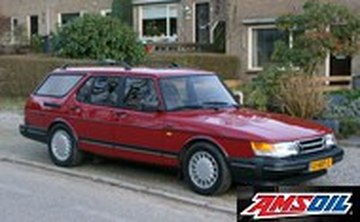
Maintaining Lubrication Integrity for the 1981 Saab 900 2.0L
Proper engine care for a vehicle of this era requires a proactive approach to fluid management and component inspection. For owners of a 1981 Saab 900 with the 2.0L engine, staying ahead of maintenance needs is essential for long-term mechanical health. Because older engines often rely on specific material tolerances and sealing technologies, consistent monitoring of lubrication systems can prevent minor issues from becoming significant repairs.Monitoring Fluid Condition and Consumption
One of the most effective ways to monitor the health of a 2.0L engine is through regular observation of lubricant levels and appearance. Changes in how an engine uses oil can be early indicators of shifting mechanical conditions. If you notice that the vehicle requires more frequent top-offs than usual, it warrants a closer investigation into potential sources of loss. When checking the oil, pay attention to its color and texture. While some darkening is expected as the lubricant undergoes thermal cycles and collects microscopic debris, extremely dark or gritty oil may suggest that service intervals are being exceeded. Additionally, if you observe any unusual odors or changes in how the engine sounds during operation, these symptoms should be investigated. It is important to remember that various factors—ranging from operating temperature to environmental conditions—can influence these observations, so look for consistent patterns rather than isolated incidents.Systematic Inspection of Seals and Connections
As vehicles age, the materials used in gaskets and seals can undergo changes in flexibility. For a 1981 Saab 900, performing routine visual inspections of the engine bay is a practical way to identify potential issues before they escalate. Rather than assuming a specific component will fail, focus on looking for evidence of seepage or active leaks around various mating surfaces. During your routine checks, look for:- Dampness or residue around sealing surfaces and gaskets.
- Evidence of fluid weeping near electrical connectors or wiring harnesses.
- The condition of any visible hoses or connections that may be subject to heat and vibration.
- Any signs of moisture or residue in areas where fluids are not intended to reside.
Prioritizing Maintenance Through Documentation
For long-term ownership, establishing a clear maintenance history is invaluable. If you have recently acquired this 1981 Saab 900, your first priority should be to establish a baseline. This involves reviewing any available service records to understand what has been performed in the past and identifying any gaps in the maintenance timeline. If documentation is incomplete, begin a new, detailed log immediately. Recording the dates of fluid changes, the types of products used, and any observed mechanical behaviors allows you to track the vehicle's evolution over time. This data-driven approach helps you distinguish between necessary preventive maintenance and unnecessary component replacement. Instead of replacing parts based solely on the age of the vehicle, you can make decisions based on the actual condition and documented service history of the 2.0L engine.Managing Aging Engine Components
Maintaining an older vehicle requires a shift in mindset from "replace when broken" to "monitor for change." For this Saab, this means paying close attention to components that are sensitive to heat cycles and time. While many parts are designed for longevity, the cumulative effect of decades of operation can affect how they perform. When performing routine service, consider the following:- Condition-Based Assessment: Rather than following a rigid schedule based on years alone, inspect components like belts (if equipped) and hoses for signs of cracking, glazing, or softening.
- Electrical Integrity: Check that electrical connections remain clean and secure, as oxidation can affect sensor readings and general engine performance.
- Environmental Factors: Be aware of how the vehicle is stored and operated; extreme temperature fluctuations can impact the longevity of various rubber and plastic components.
Observing Potential Warning Signs
While many mechanical issues develop slowly, some symptoms require more immediate attention. If you encounter a warning light or indicator on the dashboard related to engine operation, do not ignore it. Such indicators are designed to alert you to conditions that fall outside of normal operating parameters. Other signs that warrant an inspection include:- Unusual mechanical noises that were not previously present during startup or idling.
- Visible evidence of overheating, such as steam or sudden temperature gauge fluctuations.
- Changes in the way the engine responds to throttle inputs.
Practical Advice for Buying Engine Oil for your 1981 Saab 900 2.0L
When it is time to replenish or change the lubricant in your engine, the most important step is to ensure the product matches the specific requirements of your application. Because different engines have unique needs regarding additive packages and base oils, you should never rely on general automotive knowledge or assumptions based on the vehicle's age. To select the correct product:- Match Application Data: Refer directly to the vehicle-specific oil viscosity and application information provided on this webpage. This is your primary source for ensuring compatibility with your 2.0L engine.
- Verify Product Labels: Before completing a purchase, check the container labels to confirm that the specifications align with the information listed in your vehicle's documentation.
- Consider Formulations: Depending on your specific needs and the current condition of your engine, you may choose between conventional, synthetic blend, or full synthetic oils. Some high-mileage formulations also include seal-conditioning additives which may be relevant for older engines showing signs of seepage.
- Check Certifications: Ensure the oil meets the appropriate modern API service classifications to provide the necessary protection and deposit control.